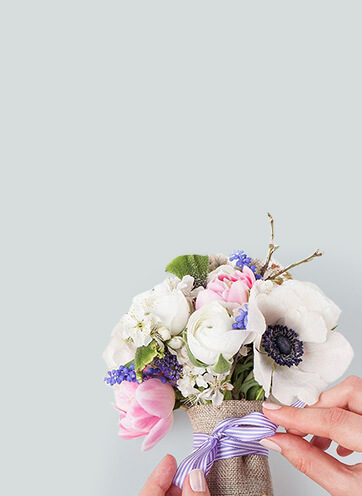
Wedding flowers Harrow on the Hill Church before and after
Posted on 29/05/2026
Wedding flowers Harrow on the Hill Church before and after: a practical guide to planning, styling and clean-up
If you are planning Wedding flowers Harrow on the Hill Church before and after, you are probably balancing two very different jobs at once: making the church look beautiful for the ceremony, and making sure everything is handled properly once the vows are done. That sounds simple until you are actually standing there with boxes of stems, ribbon, damp buckets, a wedding party waiting, and a timetable that seems to move faster than it should. Truth be told, that is where the details matter most.
This guide breaks the process into clear stages. You will learn how to plan the flowers for arrival, placement, photos, and removal; what changes before versus after the ceremony; how to avoid common mistakes; and how to make the whole thing feel calm rather than chaotic. We will also look at flower choices, church-friendly presentation, local logistics, and the small decisions that make a big visual difference. If you want a smoother experience, start with the right florist approach, use trusted local delivery options like wedding flowers in Harrow, and keep the ceremony schedule at the centre of every choice.
- Why it matters
- How the before-and-after process works
- Key benefits and practical advantages
- Who this is for and when it makes sense
- Step-by-step guidance
- Expert tips for better results
- Common mistakes to avoid
- Tools, resources and recommendations
- Law, compliance, standards and best practice
- Options, methods and comparison table
- Case study or real-world example
- Practical checklist
- Conclusion
- Frequently asked questions
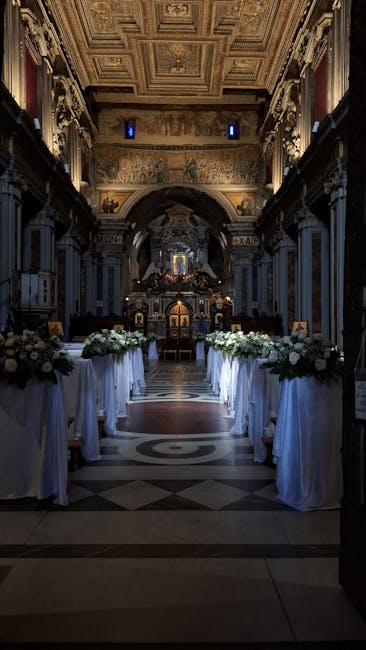
Table of Contents
- Why Wedding flowers Harrow on the Hill Church before and after Matters
- How Wedding flowers Harrow on the Hill Church before and after Works
- Key Benefits and Practical Advantages
- Who This Is For and When It Makes Sense
- Step-by-Step Guidance
- Expert Tips for Better Results
- Common Mistakes to Avoid
- Tools, Resources and Recommendations
- Law, Compliance, Standards and Best Practice
- Options, Methods, or Comparison Table
- Case Study or Real-World Example
- Practical Checklist
- Conclusion
- Frequently Asked Questions
Why Wedding flowers Harrow on the Hill Church before and after Matters
The phrase "before and after" sounds a bit administrative, but in wedding floristry it describes one of the most important parts of the day. Before the service, flowers frame the entrance, aisle, altar area, and focal points that guests see first. After the service, those same arrangements may need to be moved for photos, gifted to family, repurposed for the reception, or carefully taken away without damaging the church space.
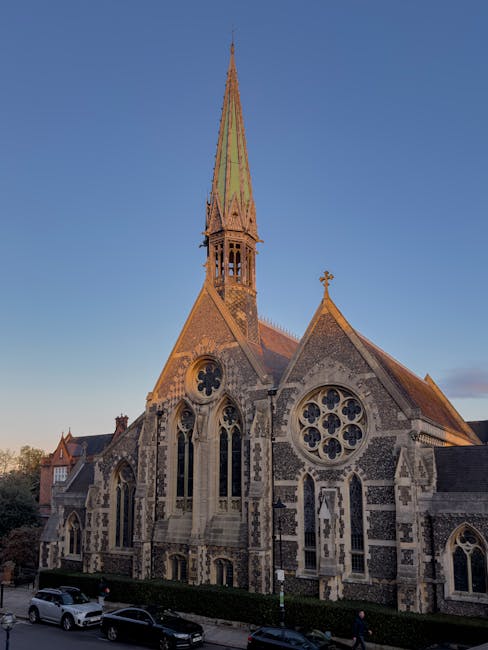
At a church wedding, especially somewhere as characterful as Harrow on the Hill, flowers do more than decorate. They guide attention, soften architecture, and help the ceremony feel personal. Stone, wood, candles, natural light, and petals all work differently together than they do in a hotel ballroom. A well-planned arrangement can make the church look generous and elegant; a rushed one can look cluttered, uneven, or simply in the wrong place. Nobody wants a giant urn blocking a sightline, or a bouquet that looks lovely for five minutes and then sags by the signing of the register.
There is also the emotional side. Before the wedding, flowers can help settle nerves. After the wedding, they become part of the memory: a corsage handed to a grandmother, altar flowers moved for family photos, bridesmaids holding smaller versions of the main palette. These little transitions are easy to overlook, but they are often the things guests remember most clearly.
Expert summary: the best church wedding flowers are not just beautiful at the start; they are planned to work across the whole ceremony journey, from arrival and vows to photographs and clean-up.
If you are comparing styles or budgeting options, it can help to look at the full local offering on Wedding flowers Harrow HA1 and then narrow down the pieces that suit your church, your colour palette, and your timing.
How Wedding flowers Harrow on the Hill Church before and after Works
In practice, the process has three stages: pre-ceremony setup, ceremony styling, and post-ceremony move or removal. Each stage has different requirements, and this is where good planning saves stress.
1. Before the ceremony
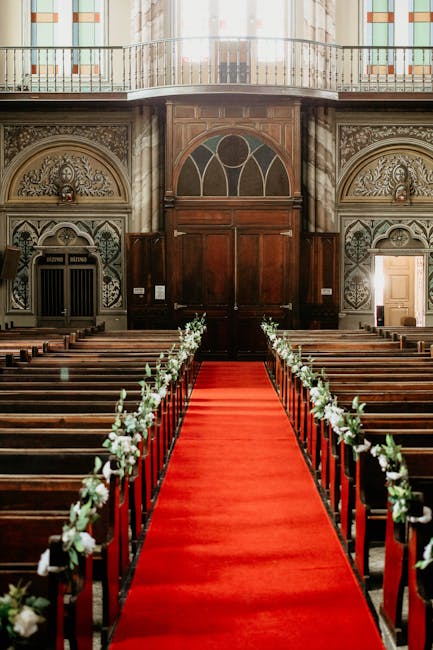
Flowers are delivered, checked, hydrated if needed, and positioned at the church. This may include pew ends, pedestal arrangements, entrance pieces, altar flowers, aisle features, and bouquets for the wedding party. Timing matters here because church schedules are often tighter than couples expect. Arrive too early and flowers can lose freshness; too late and you are setting up with guests already arriving. Somewhere in the middle is ideal.
2. During the ceremony
Once placed, arrangements should support the ceremony without getting in the way. The bride should be able to move freely. The photographer should not have to work around tall stems at every angle. Candles, if used, must be positioned with care and according to the venue's rules. The flowers should look elegant in person and in photos, which is not always the same thing. A design that photographs well usually has depth, a clear focal point, and a shape that makes sense from both front and side views.
3. After the ceremony
This is the bit many couples leave until the last minute. After the service, the flowers may be repurposed for the reception, given to relatives, used around the cake table, or transported home. If the church has agreed to retain arrangements for later services or display, they may stay in place. More commonly, someone needs to know exactly who is taking what, when, and in which vehicle. That sounds slightly dull, I know, but it prevents a lot of avoidable confusion.
To keep the logistics smooth, many couples use a local florist who can manage delivery timing and the final handover. If you need fast coordination, the local flower delivery service in Harrow can be a practical part of the plan, especially when items must arrive fresh and on time.
Key Benefits and Practical Advantages
Well-planned church flowers are not just decorative. They solve practical problems and improve the overall experience for everyone involved.
- They create a sense of occasion: even a simple church can feel completely transformed with the right flowers.
- They help the ceremony flow: placed correctly, arrangements guide movement and keep key areas visually calm.
- They photograph beautifully: well-proportioned flowers frame the couple and soften background details.
- They make repurposing easier: if planned properly, the same arrangements can be used after the service instead of being wasted.
- They reflect the couple's style: classic, modern, romantic, seasonal, minimal, heritage-inspired - all can work well.
- They can suit different budgets: by choosing focal placements instead of covering every surface, you can still get a strong visual effect.
There is another benefit that gets missed a lot: flowers help the wedding party feel "ready". When the church looks finished, people relax. The bridesmaids stop fussing. The groom stops checking his buttonhole every two minutes. The room settles, and that matters more than it sounds.
If you want to keep costs sensible without losing style, look at seasonal mixes, fewer but fuller placements, and designs that can be reused after the service. You might explore softer value-led ranges such as cheap flowers in Harrow for smaller touches, while reserving the main visual impact for the bridal bouquet and church focal points.
Who This Is For and When It Makes Sense
This topic matters to anyone responsible for the visual side of a church wedding, but the needs can be quite different depending on the couple and the venue.
- Couples planning a church ceremony: especially those who want the flowers to work both in the service and afterwards.
- Family members helping with arrangements: parents, siblings, or friends often end up coordinating delivery and pickup.
- Planners and coordinators: when a church ceremony is part of a larger day, flowers have to align with the whole schedule.
- Budget-conscious couples: if you want impact without over-ordering, the before-and-after plan helps prioritise.
- Couples with a sentimental focus: flowers can be chosen to honour family, faith, and tradition in a gentle way.
This approach makes the most sense when flowers need to do more than sit pretty for one hour. If the arrangements will be photographed, moved to a reception, or shared with relatives after the vows, planning "before and after" is not optional, really. It is the whole point.
For readers looking at broader wedding styling, you may also find it useful to browse category pages for wedding collections and bridal bouquets, which can help you coordinate the church flowers with the rest of the day.
Step-by-Step Guidance
Here is a practical way to plan the flowers from first idea to final handover.
- Confirm the church rules and timing window. Ask what time delivery can happen, where arrangements may be placed, and whether anything must be removed immediately after the ceremony.
- Choose the key flower zones. Most church weddings need only a few high-impact areas: entrance, altar or front focal point, aisle, and bridal party flowers.
- Decide what happens after. Will flowers go to the reception, to family homes, to the couple's house, or stay in the church? Decide this before ordering, not after.
- Select the style and palette. Think in terms of mood: classic white, soft blush, romantic mixed tones, or seasonal colour. Keep the church architecture in mind.
- Match bouquet sizes to the venue. A large church can carry fuller arrangements; a smaller chapel-like setting may look better with lighter, more refined pieces.
- Build in transport safety. Make sure stems are secure, containers are stable, and someone knows how to move arrangements without tipping water.
- Plan the handover. If a family member is collecting flowers after the service, give them a clear list. Yes, an actual list. It saves a lot of wandering around with confused smiles.
When you work with a florist, it helps to ask for a clear delivery and collection plan. If you need flexibility around timing, you can also consider practical local services such as same-day flower delivery in Harrow or next-day flower delivery in Harrow for last-minute pieces or supplementing extras.
Expert Tips for Better Results
A good church flower plan is less about buying more and more about choosing wisely. Here are the things that make the biggest difference.
- Use one strong focal point. A beautifully arranged altar piece often does more than a dozen small scattered arrangements.
- Repeat colours carefully. Repetition gives the church a cohesive feel, but exact duplication everywhere can look flat. Mix texture as well as colour.
- Think about the walk-in. Guests see the entrance first, so make sure the first impression is tidy and intentional.
- Respect sightlines. Tall flowers can look wonderful, but not if they block the couple from the congregation or the photographer.
- Choose flowers that hold well. Some flowers are more forgiving in warmth, movement, and light than others. A good florist will advise on this.
- Keep the after-plan simple. The more people involved in moving flowers, the more likely something gets misplaced.
One small but useful observation: in churches with older stone interiors, white flowers can look especially crisp, while deeper shades can create a rich, almost jewel-like contrast. But in lower light, too much dark colour can disappear a bit. So the room itself should influence the palette, not just your Pinterest board. To be fair, the room always has the final say.
If you want help matching flowers to meaningful occasions around the wedding schedule, browse the broader selection in luxury flowers and mixed colour designs for inspiration that can be adapted to a church setting.
Common Mistakes to Avoid
Church flowers rarely go wrong because of one big mistake. It is usually a string of small ones. Here are the most common.
- Ordering before confirming church restrictions. Some places limit candles, fixings, water containers, or access times.
- Ignoring the after-ceremony plan. Flowers left without an owner tend to become somebody else's job. Not ideal.
- Choosing styles that fight the building. Very modern arrangements can look brilliant in the wrong space and awkward in the right one.
- Overcrowding the aisle. It may look dramatic on paper, but people still need to walk, kneel, and turn.
- Forgetting the weather. Warm rooms, summer sun, and a long service can all affect freshness.
- Leaving buttonholes and bouquets until the last moment. These smaller items often need the same careful timing as the main church flowers.
Another easy mistake is trying to do too much with too little time. If the setup window is short, simplify. It is better to have three beautiful, confident placements than six rushed ones. That's not lowering standards; it's using your time properly.
For the finishing touches, products like wedding buttonholes, bridesmaid bouquets and wedding table arrangements help the whole day look coordinated, not just the church entrance.
Tools, Resources and Recommendations
You do not need a huge toolkit, but you do need the right basics. Most successful church flower setups rely on practical items rather than fancy extras.
- Stable containers: especially for altar and pedestal arrangements.
- Water source or hydration plan: fresh flowers need attention, even for short events.
- Clear transport boxes: useful for moving bouquets, corsages, and smaller pieces safely.
- Named labels: for family handover, repurposed items, and collection instructions.
- Church contact details: the person who actually knows the access rules is the person you want.
- Flower care instructions: particularly if arrangements will be reused later.
Within the same local cluster, there are a few useful pages that can support the wider wedding planning journey, including flower care guidance, delivery information, and the florist's main Harrow florist service. They are not glamorous reads, granted, but they are the sort of pages that save real headaches.
If you are still deciding on the overall tone, the general flower shops in Harrow page can also help you compare what is available locally, especially if you want to balance church styling with gifts or extras.
Law, Compliance, Standards and Best Practice
Wedding floristry at a church does not usually involve complicated legal issues, but there are still sensible standards to follow. Churches commonly have their own rules about access, decoration methods, open flames, and cleaning up afterwards. Those rules are not there to be awkward; they protect the building, the congregation, and the ceremony schedule.
Best practice is straightforward:
- Ask before fixing anything in place. Adhesives, pins, hooks, and wires may not be permitted on certain surfaces.
- Respect health and safety basics. Wet floors, overloaded stands, and unstable plinths are a risk.
- Be careful with fragrance. Strongly scented flowers can be lovely, but some guests are sensitive to perfume or pollen.
- Check access arrangements. Loading bays, parking, and time limits can affect delivery and collection.
- Protect the venue. A clean removal plan is part of professional behaviour, not an extra.
For customers ordering online, it is also wise to read the support pages that explain purchase and service expectations. Relevant pages include guarantees, returns and refund information, terms and conditions, and privacy policy. These do not sound exciting, I know, but they matter when you are relying on time-sensitive wedding arrangements.
And if the wedding date is close, make sure your plan is backed by clear contact details. The easiest fix is often the simplest one: confirm everything early, then confirm it again the day before. Slightly tedious? Yes. Worth it? Absolutely.
Options, Methods, or Comparison Table
There is no single correct way to style church flowers. The right method depends on the venue, budget, and what should happen after the ceremony. Here is a practical comparison.
| Approach | Best for | Pros | Watch-outs |
|---|---|---|---|
| Minimal focal styling | Smaller churches, modest budgets, simple ceremonies | Clean, elegant, easy to move after | Needs strong placement so it does not feel too sparse |
| Full church coverage | Large ceremonies, dramatic visual plans | High impact, very photographic | More expensive, more setup time, more removal work |
| Repurposable design | Couples using flowers again at the reception | Good value, less waste, cohesive look across the day | Needs clear transport and ownership after the service |
| Seasonal palette | Couples who want natural, local-feeling styling | Usually feels fresh and balanced, often easier to source | May limit some exact flower choices |
For many couples, the sweet spot is a mix of minimal and repurposable. You get the ceremony impact without filling the church with florals that are hard to move. It is the sensible middle path, which is not the most dramatic answer, but often the best one.
If you are shopping for specific arrangements, you can also compare product types such as roses, lilies, chrysanthemums and alstroemeria to see how different textures and meanings could support your church theme.
Case Study or Real-World Example
Consider a couple planning a late-morning church ceremony with a small reception afterwards. They wanted a classic look, but they also wanted the flowers to travel well. The church had limited setup time, and the family hoped to reuse the flowers at the reception rather than ordering separate displays for everything.
The florist proposed a simple but effective plan: two entrance arrangements, one coordinated altar piece, a handful of pew-end accents, bridal and bridesmaid bouquets, plus matching buttonholes. White and soft blush dominated the palette, with a few green tones to stop the look becoming too polished or flat. The key decision was not to scatter flowers everywhere. Instead, the arrangements were concentrated in the places guests would actually notice.
Before the service, the church looked calm and elegant, not overcrowded. During the vows, the flowers framed the couple without blocking anyone's view. After the service, the altar arrangement and entrance pieces were moved to the reception, while the smaller stems were gifted to grandparents and close relatives. The family did not need to scramble because the after-plan had been agreed in advance. Simple, really. But that simplicity came from planning.
The most striking part, according to the couple, was how much easier the day felt once the flowers were under control. No last-minute panic. No "who's taking this?" moment. Just a beautiful service, and then a graceful handover. You can almost hear the sigh of relief, to be honest.
Practical Checklist
Use this as a quick before-the-wedding check. It is not glamorous, but it works.
- Confirm church access time and any decoration restrictions.
- Decide exactly which flowers stay, move, or go home afterwards.
- Choose the main colour palette and key flower types.
- Match bouquet sizes to the scale of the church.
- Check if candles, clips, or fixing methods are allowed.
- Label all arrangements that need to be collected or repurposed.
- Make sure someone is responsible for the flowers after the ceremony.
- Keep transport boxes, water, and towels ready.
- Confirm delivery with your florist the day before.
- Have a backup contact number for the wedding day.
Quick reminder: if a floral item is important to the look of the church, it should have an owner from the moment it arrives. No owner, no certainty. That is where plans start to wobble.
Conclusion
Planning Wedding flowers Harrow on the Hill Church before and after is really about making one beautiful plan do two jobs well. Before the ceremony, the flowers set the tone. After the ceremony, they continue the story through photos, family moments, and repurposing. When both stages are considered together, the whole day feels smoother, more polished, and more meaningful.
The best results usually come from keeping things focused: choose the right focal points, respect the church space, plan the handover, and do not leave the after-ceremony bit to chance. If you get those parts right, the flowers do far more than decorate the room. They quietly hold the day together.
If you would like help choosing flowers for the church, the bouquets, and the post-ceremony handover, now is a sensible time to compare styles, timings, and delivery options with a local florist who understands the practical side of wedding day logistics.
Get a free quote today and see how much you can save.
And remember: the prettiest weddings are not always the most complicated ones. Often, they are the ones where every detail knows its place.
Frequently Asked Questions
What does "before and after" mean for wedding flowers at Harrow on the Hill Church?
It means planning not only how the flowers will look during the ceremony, but also what happens to them afterwards. That includes moving arrangements, gifting them, repurposing them, or removing them cleanly.
How early should wedding flowers be delivered to the church?
That depends on the church's access window and the size of the setup, but they should usually arrive with enough time for a calm installation before guests start coming in. The key is to avoid both rushing and leaving flowers sitting too long.
Can the same flowers be used after the ceremony?
Yes, many can. Altar arrangements, entrance pieces, and even some aisle flowers can be moved to a reception or given to family, provided they are designed for transport and someone is responsible for them.
What flowers work best for a church wedding?
Roses, lilies, alstroemeria, carnations, chrysanthemums, and mixed seasonal arrangements are all common choices. The best option depends on the church, the time of year, and how formal or relaxed you want the look to feel.
Do I need different flowers for the ceremony and the reception?
Not always. In fact, many couples save money by using the same arrangements in both places. The main thing is making sure the designs can be safely moved and still look good after transport.
How do I choose flowers that suit Harrow on the Hill Church?
Think about the building's style, light, and scale. Older churches often suit classic or softly romantic designs, while more contemporary styling can work if it is kept refined and well-balanced.
What is the biggest mistake couples make with church flowers?
The most common mistake is not planning the after-ceremony stage. People often focus on the entrance and the aisle, then forget who is taking the flowers, where they are going, and how they will be moved.
Are there budget-friendly ways to style church flowers well?
Yes. Focusing on a few strong placements, using seasonal blooms, and repurposing arrangements later in the day can create a lovely result without over-ordering.
Should I tell the church about candles and fixed decorations?
Absolutely. Church rules vary, and some venues are strict about candles, attachments, or water containers. Always ask before finalising the design.
Can the florist handle delivery and collection?
Often, yes. Many couples prefer this because it reduces stress and helps ensure the flowers arrive and leave on time. It is worth confirming the exact service before ordering.
How do I keep flowers fresh through the ceremony?
Choose sturdy blooms, keep them hydrated until setup, avoid overexposure to heat or direct sun, and use a florist who understands event timing. A little care goes a long way, especially on a busy morning.
Where can I find more local wedding flower options?
You can explore the main wedding flowers Harrow HA1 page, along with related service pages for bouquets, buttonholes, delivery, and care to build a fuller plan around the church ceremony.